The Sydney Shopfitter Who Actually Gets It (And How to Find One)
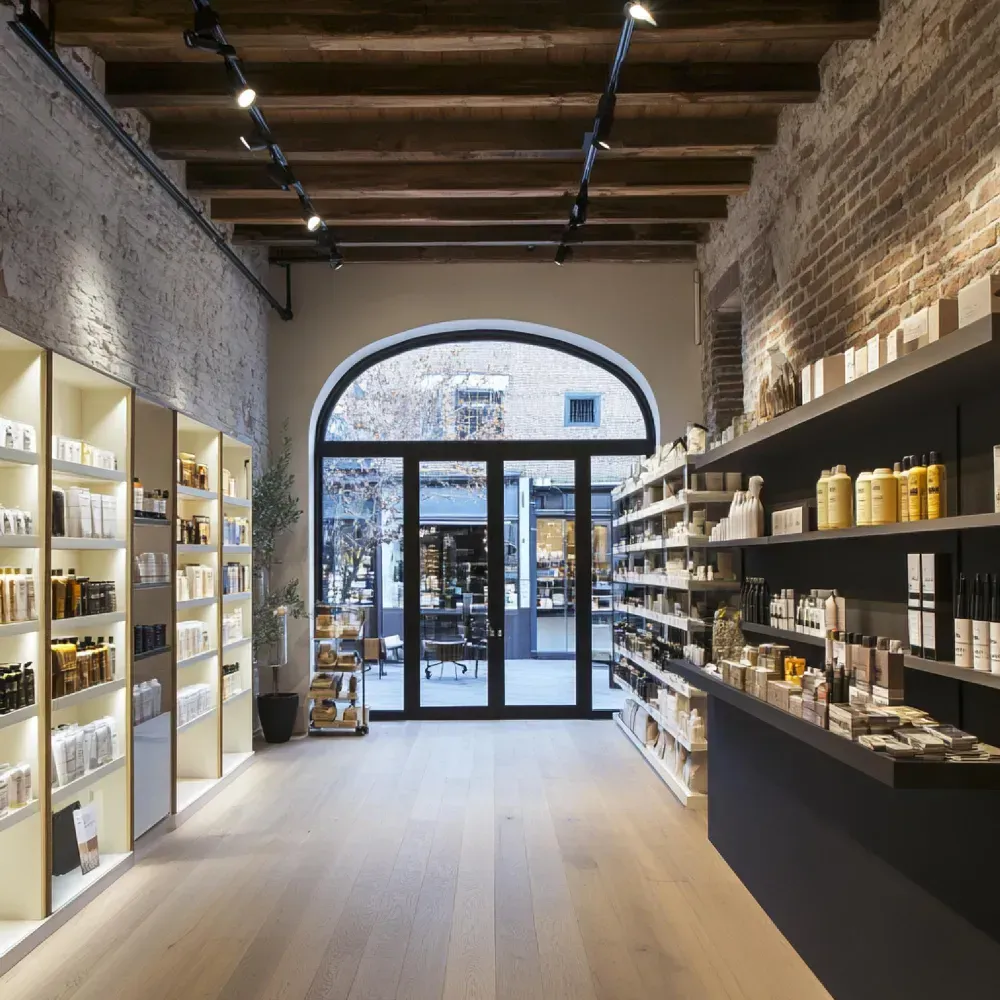
There's a moment every business owner knows. You walk into a competitor's space and feel it immediately: the light hits right, the layout makes sense, you linger longer than you meant to. You leave having bought something you didn't plan to. That feeling isn't accidental. It's the work of a good shopfitter.
In Sydney's retail market, finding shopfitters who can engineer that feeling is both more important and more difficult than most business owners expect. The city has no shortage of builders who'll take on a fitout. It has far fewer who understand the difference between a space that looks finished and one that actually performs.
Here's what separates the two, and how to make sure you're hiring the right one.
What Sydney Shopfitters Actually Do (Beyond Just Building Stuff)
The common assumption is that a shopfitter builds what you've already designed. The reality, when you're working with someone good, is very different.
A skilled Sydney shopfitter is a project manager, trade coordinator, compliance navigator, and commercial strategist rolled into one. They're the person who tells you the landlord's fitout guide won't allow that floor treatment before you've committed to it. The person who catches that your POS position will create a queue that blocks the entrance. The one who asks where the cabling needs to go before the walls go up, because fixing it afterwards costs double.
A fitout isn't a construction project. It's a commercial decision that happens to involve construction.
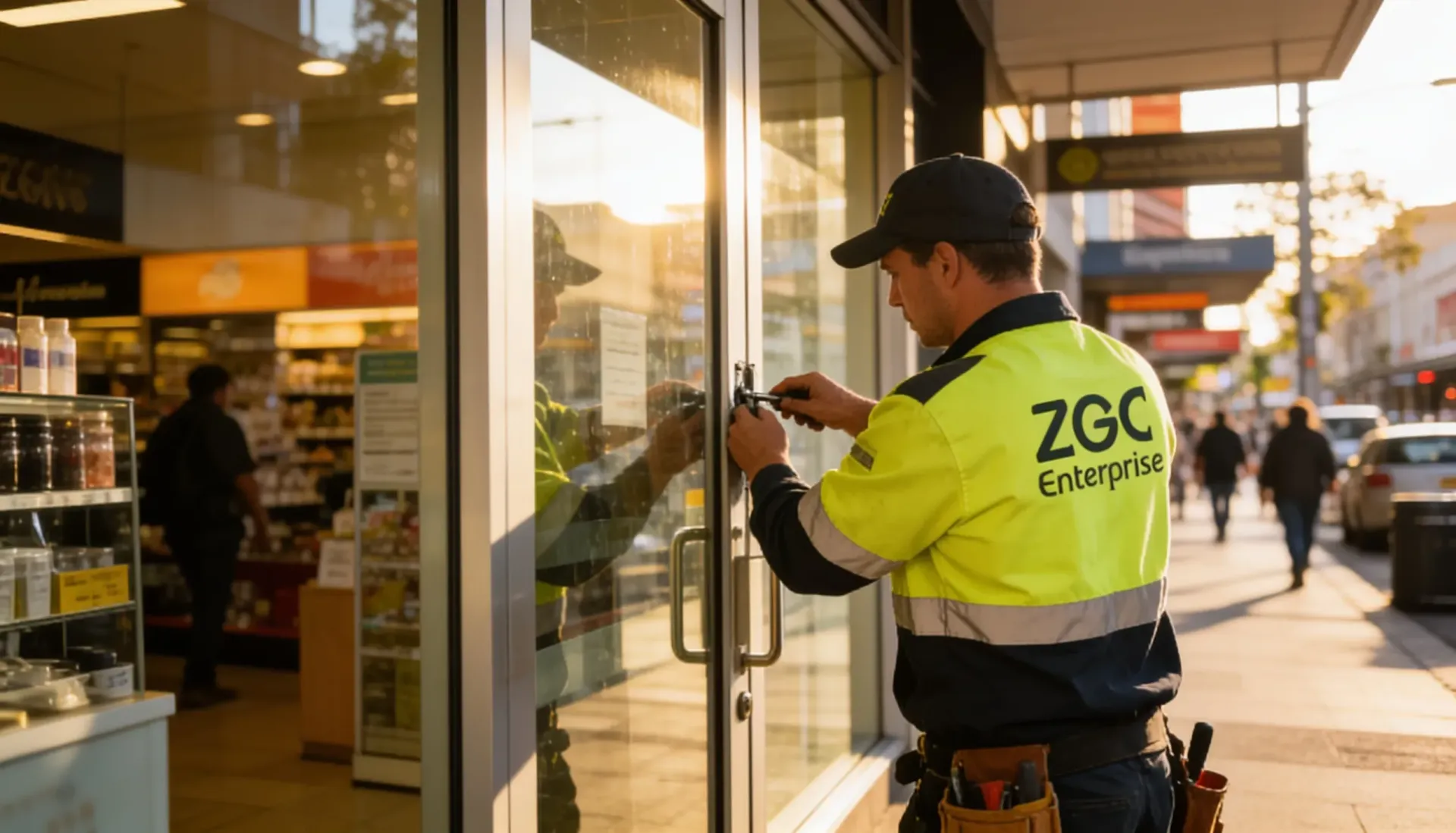
ZGC Enterprise has been making that distinction for over 20 years across Sydney's retail, hospitality, office, and commercial sectors. The team that delivers your fitout should be asking as many questions as they're answering.
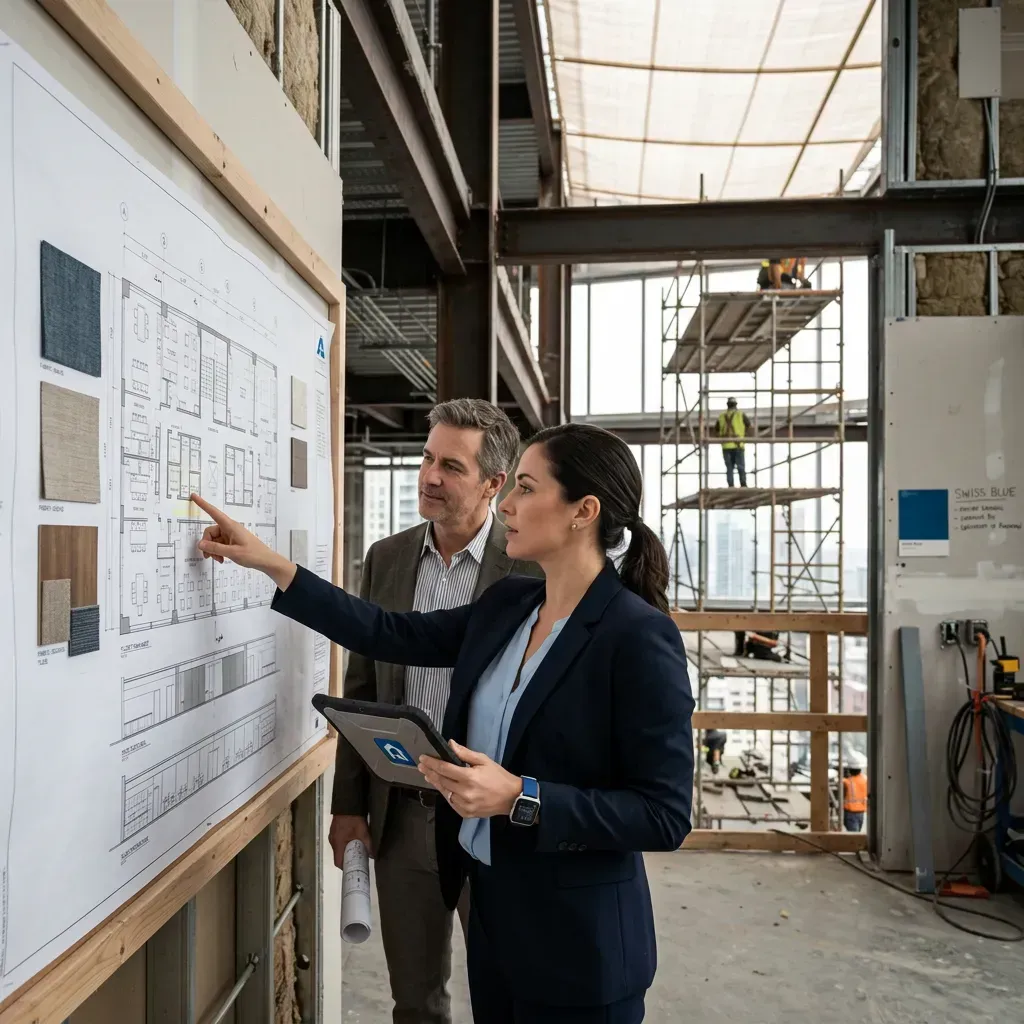
How to Evaluate Sydney Shopfitters Before You Sign Anything
Let's say you've got three quotes on your desk. They're all within range of each other. How do you actually pick?
Portfolio relevance is the starting point. A shopfitter who's built ten successful cafés understands kitchen compliance, ventilation sequencing, and service flow in ways a generalist builder simply doesn't. Ask to see completed projects in your specific sector, and if possible, visit one in person. Photos flatter. Real spaces tell the truth.
Then there's the project management question. Who is your actual point of contact throughout the build? Not the salesperson who won the job. The project manager who runs it. Meet that person before you commit. Their communication style and experience will determine your day-to-day reality for the next three to five months.
When you're shortlisting, focus on these:
• Portfolio relevance: Their track record in your industry, not just commercial fitouts broadly
• Trade management: Do they have their own licensed electricians and plumbers, or are they coordinating unfamiliar subcontractors?
• Landlord experience: Have they navigated complex fitout guides in shopping centres before?
• References: Not testimonials on their website. Actual phone conversations with recent clients.
• Licensing: A valid NSW contractor licence, verifiable through NSW Fair Trading. Ask for the number.
Getting a free consultation before you commit anything is standard with reputable shopfitters. Use that meeting to see whether they listen, ask sharp questions, and give you honest answers rather than just validating whatever you've already decided.
What Does a Sydney Shopfitter Cost in 2026?
Here's the honest answer: it depends enormously, and anyone who quotes you a figure before they've seen the space and the brief is guessing.
That said, you need a working framework. For Sydney shop fitouts in 2026, here's how costs generally break down by specification level:
Specification Level Cost Per Square Metre Best Suited For
Basic / standard $800 to $1,500 First locations, tight budgets, simple layouts
Mid-range $1,500 to $2,800 Brand-conscious retail, quality finishes, some custom joinery
Premium / bespoke $2,800 to $4,500+ Flagship stores, hospitality, luxury retail
For a small boutique tenancy of 80 to 100 square metres at mid-range specification, budget $120,000 to $280,000 all in, including design fees (typically 8 to 15% of construction cost), authority approvals, and a 10 to 15% contingency. Sydney CBD and prime suburban locations typically add $200 to $250 per square metre to the cost of the same specification elsewhere.
The contingency is not optional. Something behind a wall or under a floor will surprise you. Budget for it before construction starts.
The Mistakes Sydney Business Owners Make Most Often
The cheapest quote is almost never the best value. A shopfitter who wins on price usually wins by cutting something: project management time, material quality, or the care taken around compliance. You'll discover which corners were cut after handover, when fixing them is your problem, not theirs.
Beyond that, the most common and costly mistakes look like this:
Signing a lease before talking to a shopfitter. The lease contains fitout guidelines, make-good obligations, and landlord approval requirements that can fundamentally change your fitout budget. A good Sydney shopfitter asks to see the lease before they quote. If they don't, that tells you something.
Rushing the design phase. The three to six months before construction are where the most important decisions get made. Shortcutting planning to save time reliably produces variations and delays during the build, which cost more than the time you thought you saved.
Treating furniture and technology as afterthoughts. Power points, data cabling, screen mounting positions, and loyalty system infrastructure all need to be built into the design before walls close. Retrofitting any of it doubles the cost and disrupts your fitout.
The Questions Worth Asking Before You Hire Anyone
Walk into your first meeting with these in your back pocket:
1. Can you walk me through a project similar to mine, including where things went wrong and how you handled it?
2. Who specifically will manage my project day to day, and can I meet them now?
3. How do you manage the landlord fitout approval process?
4. What does your fixed-price contract cover, and what triggers a variation?
5. Can I speak with two or three clients who opened in the last 12 months?
The answers, and the confidence with which they're delivered, will tell you more than any sales presentation.
Getting Space Optimisation Right From the Start
A good shopfitter doesn't just build the layout you hand them. They challenge it, refine it, and help you understand how your space can work harder commercially than the initial brief allows for.
That means thinking about customer flow before a single wall goes up. Where does congestion form during peak times? How does the transition from front-of-house to back-of-house affect your staff's daily workload? Is the technology infrastructure future-proofed for where your business will be in three years?
These aren't architectural questions. They're business questions. The shopfitter who asks them is worth more than the one who simply builds.
Frequently Asked Questions
How do I verify a Sydney shopfitter's licence?
All builders in NSW must hold a valid contractor licence issued by NSW Fair Trading. You can search any licence number on the NSW Fair Trading website. Ask any shopfitter you're considering for their licence number and check it before signing anything.
How long does a shop fitout take in Sydney?
Most retail fitouts take 6 to 12 weeks from construction start to handover. From design commencement through to opening, allow 14 to 22 weeks for a mid-size tenancy. Complex bespoke projects or those requiring council approvals will take longer.
Do shopfitters in Sydney handle landlord and council approvals?
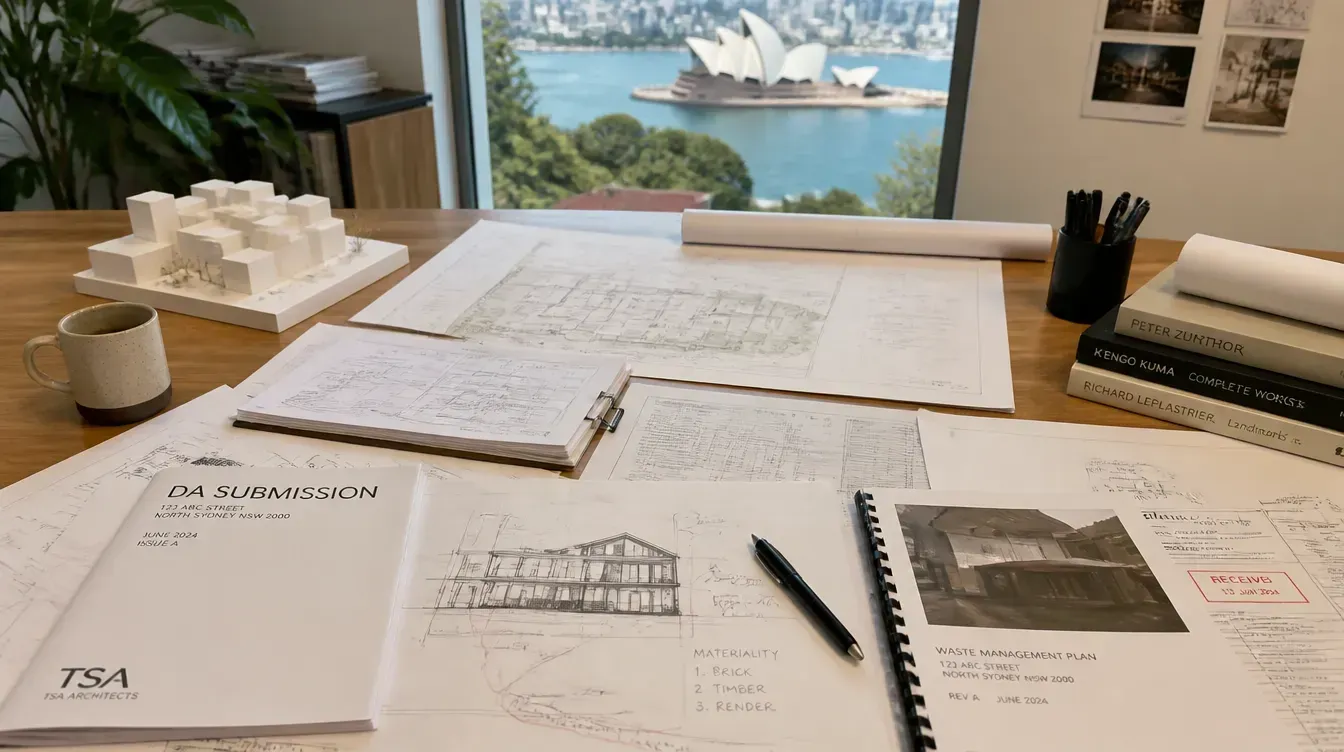
Yes, reputable shopfitters manage this as part of the project scope. This includes preparing and lodging landlord fitout applications, coordinating complying development certificates or development applications, and ensuring all work meets the Building Code of Australia.
What's the difference between a fitout and a refurbishment?
A fitout builds out a new or bare shell space from scratch. A refurbishment upgrades an existing space without full demolition. ZGC Enterprise handles both, from complete strip-outs and rebuilds through to targeted upgrades within an existing structure.
Can I stay trading during a refurbishment?
Sometimes, yes. For staged refurbishments where work can be scheduled around trading hours, partial trading is possible. This requires careful planning, agreed working hours, and a shopfitter experienced in managing live trading environments.
*ZGC Enterprise has been delivering shop fitouts across Sydney for over 20 years. Call 0411 558 173 or book a free consultation to talk through your project.*