Council Approval for Shop Fitouts in Sydney: The Part Everyone Underestimates
You've found the space. The lease terms are agreed. The fitout concept is designed. And then your builder or project manager asks whether you've sorted out approvals, and the timeline you had in your head quietly adjusts itself by several months.
Getting council approval for a shop fitout in Sydney is not uniformly complicated. But it is consistently misunderstood, frequently underestimated, and occasionally catastrophic for businesses that discover the requirements after they've committed to a fitout programme. Here's what you need to know before you start work.
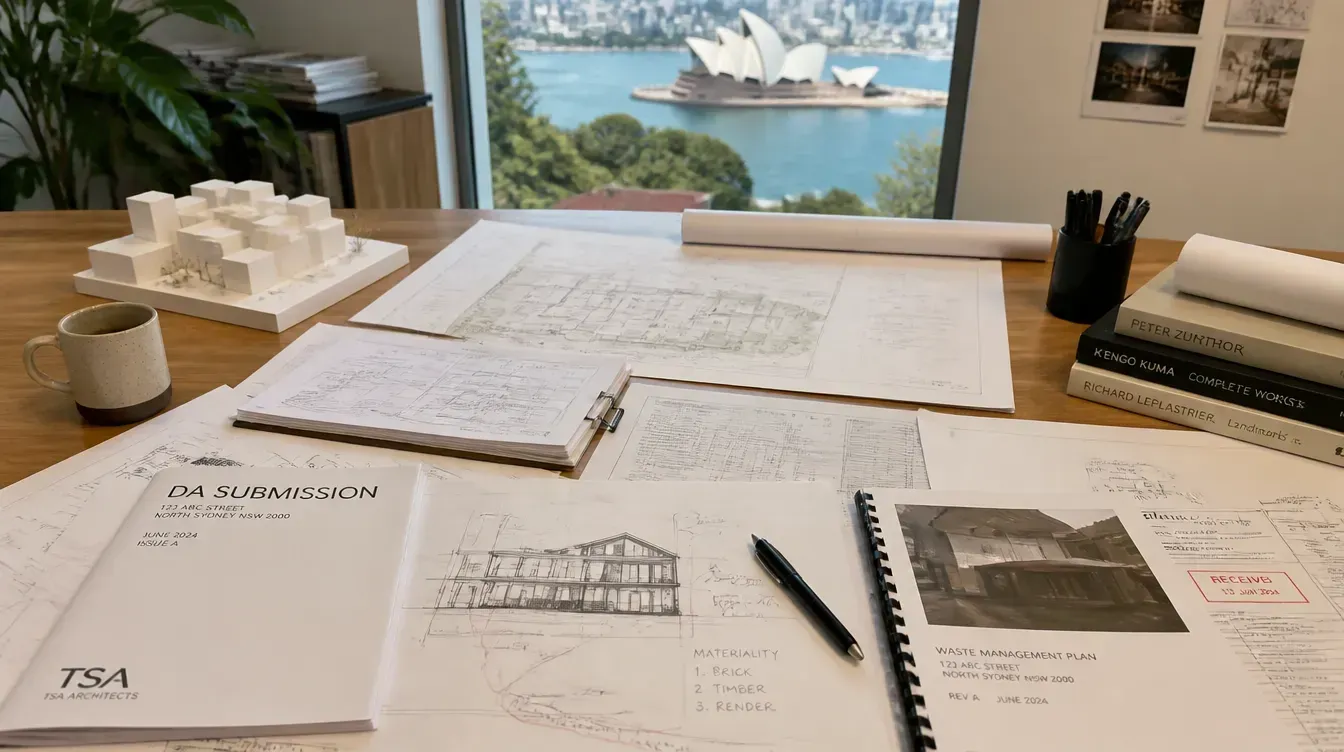
Three Pathways: Exempt, Complying, and DA
Not all shop fitouts in Sydney require a development application. In fact, the majority don't. NSW planning law offers three pathways depending on the nature of your works, your building, and your tenancy.
Exempt development covers minor works that are so low-impact they require no formal approval at all. Internal painting, replacing fittings like-for-like, minor carpentry, or installing shelving typically sit in this category. If you're doing a cosmetic refresh with no structural changes, no change of use, and no external impact, you'll likely be exempt.
Complying development is the workhorse pathway for most commercial fitouts. Under the NSW State Environmental Planning Policy, an internal fitout that doesn't change the building's use, doesn't affect heritage, and doesn't require structural works can be approved by a private certifier, often in days to a few weeks. This is the pathway most shop fitouts Sydney businesses use.
Development application (DA) is required when your works trigger a planning threshold. Common triggers include changing the classified use of the premises, works to a heritage-listed building or heritage conservation area, external changes including signage that exceeds exempt thresholds, or structural work that affects the building fabric.
Pathway Typical Works Approval Body Indicative Timeframe
Exempt Development Minor internal works, no use change None required Immediate
Complying Development Internal fitout, no use change, non-heritage Private certifier or council Days to 4 weeks
Development Application Change of use, heritage sites, structural works Council 8 to 26 weeks
Source: City of Sydney [https://www.cityofsydney.nsw.gov.au/development-applications]
The Change of Use Problem
This is the planning concept that catches most people. The NSW Standard Instrument classifies different business types under different land use definitions, and moving between them requires formal approval even if the physical works seem minor.
A clothing retailer moving into a space previously occupied by another clothing retailer is probably fine under complying development. A cafe moving into a space previously used for office administration likely triggers a change of use because food premises have specific requirements around ventilation, grease traps, and waste management that a generic office tenancy won't meet. A gym moving into a space zoned B2 Local Centre may require a full DA because a recreation facility is not automatically permitted in all B2 zones.
Your lease terms will often state what use the premises are approved for. Read them carefully. If you're proposing a use different from the approved use on your council's records, get advice before you sign.
Heritage Listings and What They Mean for Your Fitout
Sydney has a significant stock of heritage-listed commercial buildings, and working within one changes your fitout planning substantially. Both internal and external changes to a heritage item typically require a DA regardless of how minor the works appear.
Even buildings that aren't individually listed may sit within a heritage conservation area, which imposes constraints on external appearance. If you're planning any changes that affect the facade, shopfront, awning, signage, or street-facing appearance of a building in a conservation area, assume you'll need approval and confirm with your council.
The assessment process for heritage DAs requires a heritage impact statement, and councils are entitled to request changes to proposed works that conflict with conservation principles. Build time and flexibility into your programme if heritage is a factor.
Getting Your Application Right the First Time
The most common cause of delay in Sydney fitout approvals isn't the planning rules, it's incomplete documentation. An application that arrives with inconsistent floor plans, no schedule of finishes, missing fire safety details, or inadequate ventilation documentation will be returned for amendment before it's even assessed.
A good commercial shopfitter near you will help you prepare documentation that meets council expectations. Better yet, they'll identify the right approval pathway before documentation starts, saving you the cost of preparing a full DA package when a complying development certificate would have done the job.
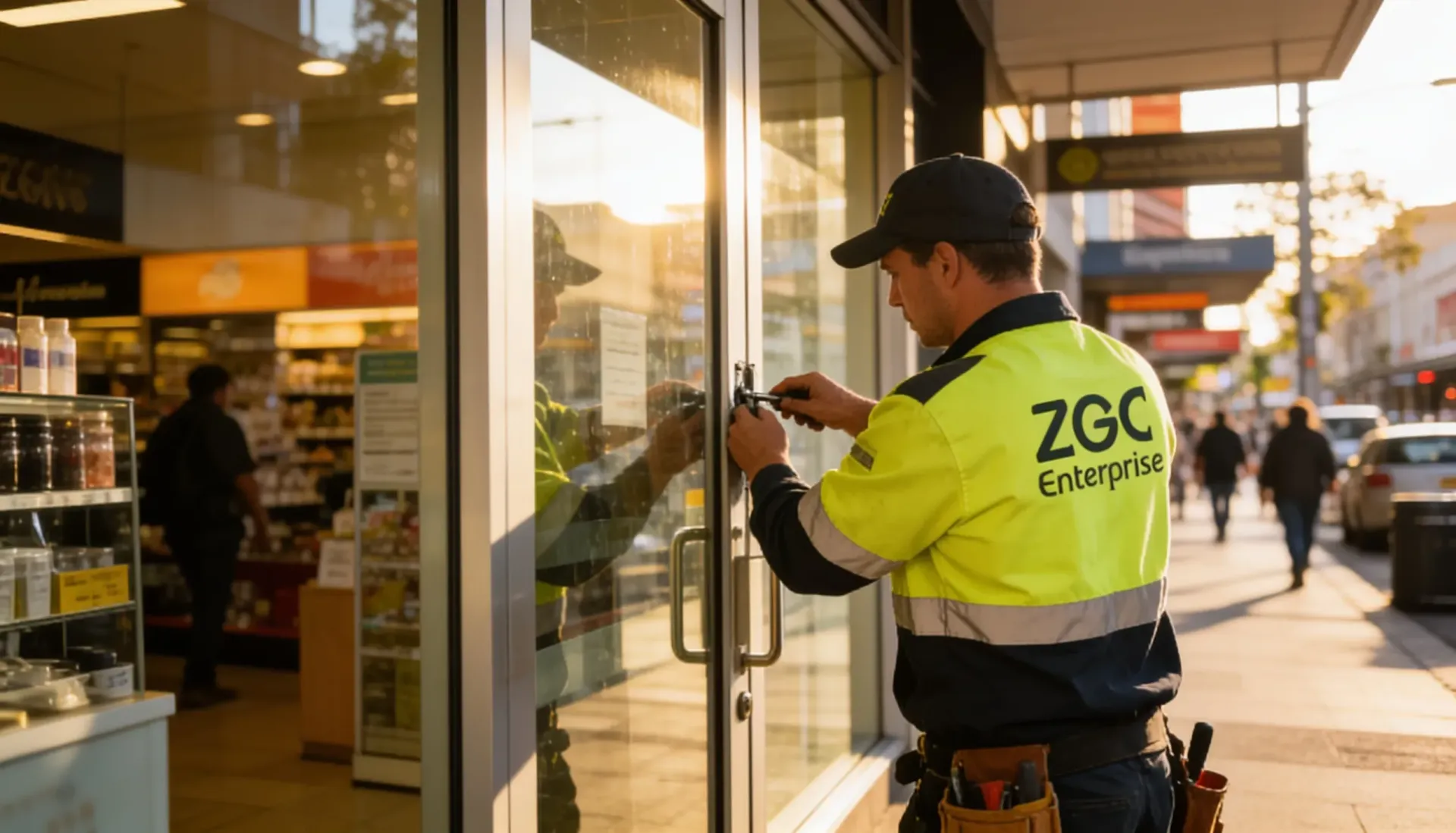
ZGC Enterprise manages shop fitouts Sydney end-to-end, including navigating the planning and approval process. Having an experienced fitout partner who's been through the approval process across multiple Sydney councils is worth considerably more than their quoted price. Source: [https://focusshopfit.com.au/navigating-council-approvals-for-your-fitout-in-sydney-vs-melbourne/]
Signage: The Overlooked Approval Trigger
Signage deserves its own discussion because it consistently generates approvals questions that fitout clients aren't expecting.
Exempt signage in NSW is narrowly defined. A single flat sign on a building facade below a specified size threshold is typically exempt. Projecting signs, illuminated signs above a certain size, signs on heritage buildings, and signs in the public way are almost always either complying development or require a DA.
If your fitout includes new external signage and the sign doesn't fall squarely within the exempt thresholds for your council, factor approvals into your timeline. Signage DAs are generally straightforward but can still add six to twelve weeks to your programme if you leave them to the last moment.
Disability Access and BCA Compliance
The Building Code of Australia requires certain upgrades to access provisions when building works are carried out. In practice, this means a shop fitout that triggers BCA compliance review may need to include access upgrades, ramps, accessible bathrooms, or path-of-travel works that weren't part of your original budget.
This is particularly relevant for businesses leasing in older buildings that haven't been upgraded. The Disability Discrimination Act adds a civil liability dimension, separate from the BCA, and the standards for new works are higher than for existing buildings.
For a shop fitout, a pre-design access review is often the most cost-effective way to identify and budget for any compliance obligations before the plans are drawn. For ongoing compliance support after your fitout is complete, ZGC Enterprise's fitout maintenance services include remedial and compliance-related works.
[Image: Modern accessible shopfront in Sydney with compliant ramp, automatic doors, and clear signage]
FAQ
Do all shop fitouts in Sydney require council approval?
No. Many internal fitouts that don't change the building's use, don't affect heritage, and don't include structural works can be carried out as exempt or complying development without a full DA.
How long does a DA take for a shop fitout in Sydney?
DA timeframes vary by council and complexity. Simple commercial DAs in non-heritage zones can be determined in 8 to 12 weeks. Heritage DAs or proposals in sensitive zones may take 16 to 26 weeks or longer.
What is complying development and how does it differ from a DA?
Complying development is a fast-track approval pathway for works that meet prescribed standards. It's assessed by a private certifier or council against a checklist rather than a full merit-based assessment. Most standard commercial fitouts that require formal approval will use this pathway.
Can my shopfitter manage the approval process for me?
A good commercial shopfitter will guide you through the approval process and help prepare documentation. They won't act as your certifier or town planner, but they'll know what's required and who you need to engage.
What happens if I start fitout works without approval?
If you carry out works that require approval without obtaining it, council has the power to issue orders requiring you to stop work, reverse the works, or obtain retrospective approval. Retrospective approval is more costly and less certain than prospective approval, and in heritage situations may not be available at all.
Ready to start your shop fitout in Sydney and need help navigating the approval process? ZGC Enterprise handles shop fitouts Sydney from concept through approvals and construction. Call 0411 558 173 or book a consultation to get started. Browse their shop fitout portfolio for inspiration on what's possible in your space.