Residential Maintenance Sydney: What Your Home Actually Needs (And Why Most Homeowners Find Out the Hard Way)
There's a version of homeownership where nothing breaks, nothing deteriorates, and the house you paid for appreciates in value while requiring essentially no intervention. This is the version that appears in bank advertisements. It is not the version that exists in real life.
In real life, the door that sticks a little in summer becomes a door that won't close at all by winter. The silicone seal in the shower that started lifting at one corner eventually allows water into the substrate behind the tiles, and six months after that you're looking at a full bathroom strip-out. The small crack in the cornice that you were going to get looked at becomes the symptom of something bigger.
Residential maintenance in Sydney is the unglamorous work that protects the value of what is, for most people, their most significant financial asset. Here's how to approach it intelligently.
What Residential Maintenance Actually Covers
Residential property maintenance is broader than most homeowners think when they first hear the term. It encompasses everything from minor repairs that take an hour to complete through to planned programmes of regular inspection and upkeep across the entire property.
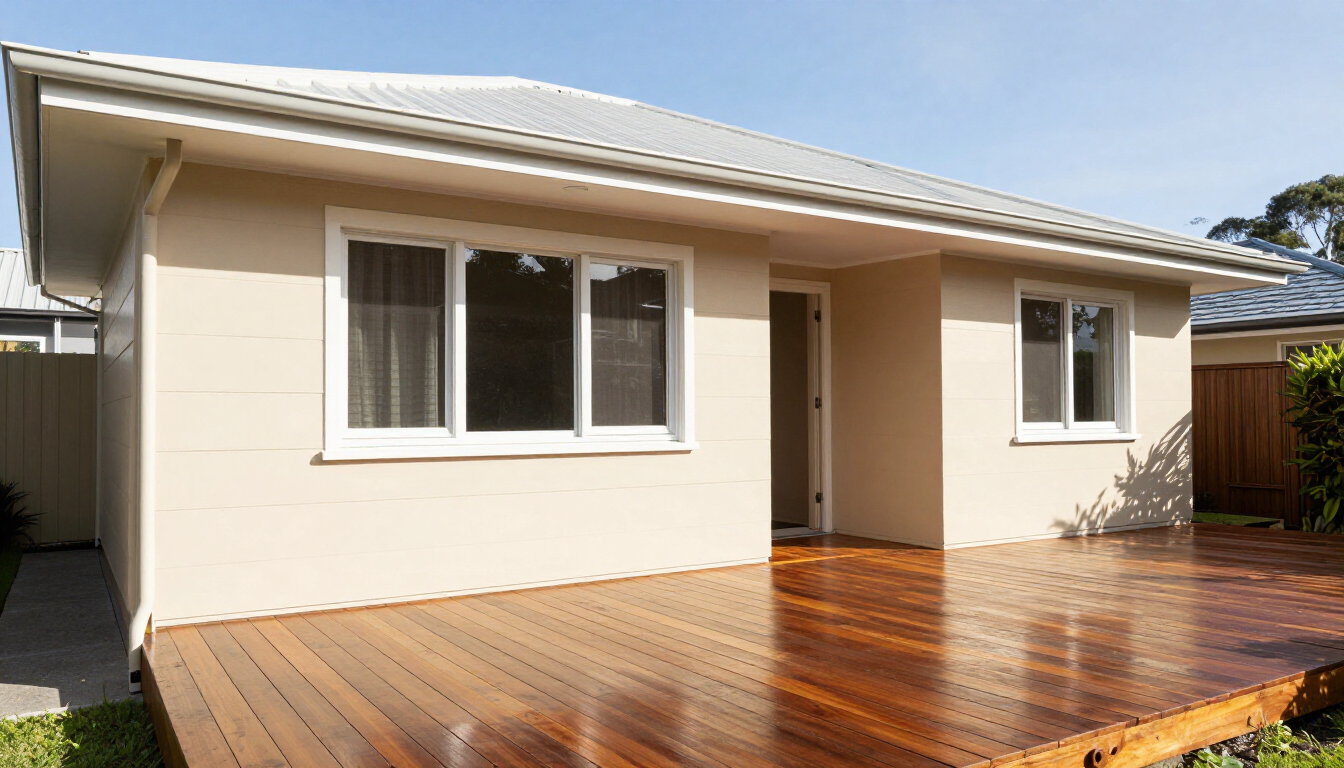
[Image: Sydney residential property exterior showing maintained timber deck, painted facade and clean gutters]
The main categories of residential maintenance work in Sydney are as follows.
Carpentry and joinery covers door and window adjustments, drawer and cupboard repairs, timber deck maintenance, fence repairs, and any structural timber work beyond the scope of cosmetic repairs. In Sydney's climate, timber elements require regular inspection and maintenance to manage the effects of humidity, UV exposure, and seasonal movement.
Plasterboard and plaster repairs cover cracks, holes from fixings, water damage remediation, cornice repairs, and the preparation work that precedes a quality paint finish. Plasterboard repairs done properly, with appropriate setting and sanding, are invisible. Done poorly, they're visible every time the light hits the wall at an angle.
Kitchen and bathroom cabinetry covers hinge adjustments, drawer runner replacement, door refacing, handle changes, and full cabinetry replacement. Sydney kitchens that were fitted in the 1990s or early 2000s often have cabinetry that's structurally sound but cosmetically dated. A cabinet refresh is significantly cheaper than a kitchen renovation and can transform the appearance of the space.
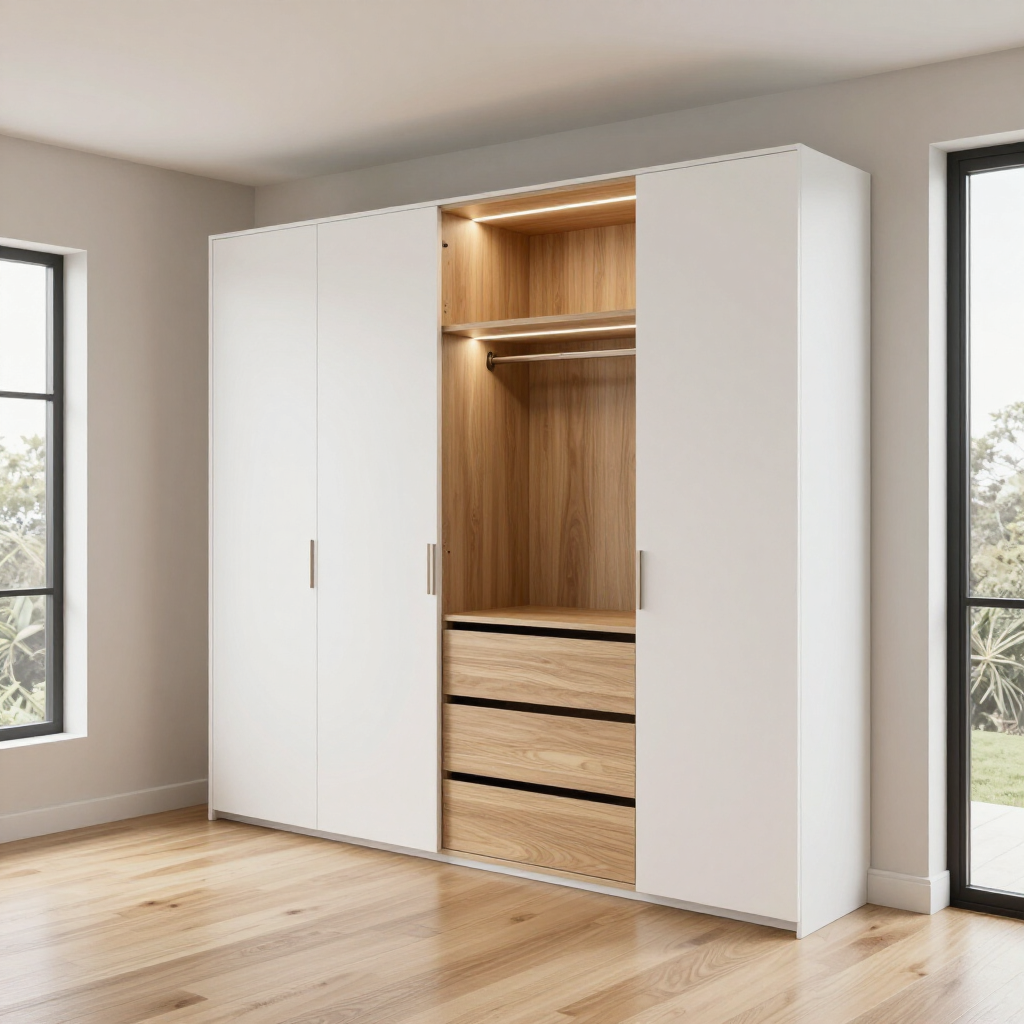
Storage solutions cover the design and installation of built-in wardrobes, garage storage systems, laundry cabinetry, and custom shelving. Well-designed storage is one of the highest-value modifications you can make to a residential property, both for liveability and for resale value.
Planned vs Reactive Residential Maintenance
Approach Annual spend (typical 3BR Sydney home) Risk
No maintenance until failure Variable: low then high High: unexpected large bills
Reactive as needed Medium Medium: some bills are large
Annual inspection + planned Consistent: $1,500-$4,000/year Low: issues caught early
The most expensive residential maintenance is the repair that should have been caught six months earlier. A blocked downpipe that's cleared costs $200. The water damage to the wall cavity that develops from the same downpipe over two years costs $8,000 to $15,000 to remediate.
Our residential maintenance and construction services cover the full range of residential property maintenance needs across Sydney. Every project includes a written quote before work begins, with no hidden charges.
Maintenance for Investment Properties and Landlords
Investment property owners in Sydney have additional considerations that owner-occupiers don't face. The obligation to provide a property that's safe and habitable is a legal requirement under the Residential Tenancies Act 2010 (NSW). Failure to attend to maintenance in a reasonable timeframe can expose landlords to rent reduction orders from the NSW Civil and Administrative Tribunal.
Beyond compliance, investment properties that are well-maintained attract and retain better tenants, experience fewer extended vacancy periods, and demonstrate a higher standard of care that supports lease renewals at appropriate market rates. A well-maintained property is simply a better investment.
A regular maintenance programme for a Sydney investment property covers the same elements as an owner-occupied home, with the addition of tenant-interface procedures for accessing the property and documenting condition through entry and exit reports.

When to Call a Professional Handyman
The honest answer is earlier than most people do. Minor repairs that are deferred become moderate repairs. Moderate repairs that are deferred become major repairs. And major repairs cost multiples of what the original minor intervention would have.
Common residential maintenance jobs that Sydney homeowners typically call our handyman services for include door and window adjustments, plasterboard patching and painting, kitchen and bathroom cabinet repairs, shelf and storage installations, timber deck maintenance and repair, fence repairs, and general property inspection and punch-list completion.
For more on what a comprehensive maintenance approach looks like for commercial properties, the same principles apply to residential. Our article on preventive maintenance for commercial buildings outlines how the planned approach outperforms reactive maintenance across any property type.
ZGC Enterprise provides residential maintenance services for homeowners, investors, and strata properties across Sydney. Call 0411 558 173 or book a free consultation to discuss your property's maintenance needs.
FAQ: Residential Maintenance Sydney
What does residential maintenance include in Sydney?
Carpentry and joinery repairs, plasterboard and plaster repairs, kitchen and bathroom cabinetry, door and window adjustments, storage installations, timber deck maintenance, fence repairs, painting preparation, and general property inspection and repair.
How often should I have my Sydney home inspected for maintenance?
An annual walkthrough inspection is the minimum recommended standard. Properties over 15 years old, investment properties, and properties with significant timber elements (decks, pergolas, fences) benefit from biannual inspections.
Are residential maintenance costs tax deductible in Sydney?
For investment properties, maintenance and repair costs are generally tax deductible in the year they're incurred. Capital improvements (work that improves the property beyond its original condition) are depreciated over time. Speak with your accountant for advice specific to your situation.
How do I find a reliable residential maintenance handyman in Sydney?
Look for licensed tradespeople with public liability insurance, a clear written quoting process, and verifiable references or reviews. Be cautious of tradespeople who won't provide a written quote before starting work.
What's the difference between a repair and an improvement for tax purposes?
A repair restores something to its original condition (replacing a broken door, repainting a wall). An improvement adds value beyond the original (installing a new kitchen, adding a built-in wardrobe). The distinction matters for tax treatment on investment properties.